

CONTACT US
Call us for more information
400-7102-888
Nonworking Hotline
139 1323 1381
leave us a message
Online Message
AS of webchat QR code

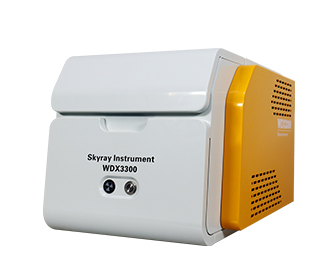
Double-bent crystal single-wavelength X-ray fluorescence spectrometer
Type:WDX3300
Advisory message: Click here to further consult the product
Purchase contact: Click here to view the contact
SOLUTIONS: Click here to view the solution
Product description, Technical parameters and configuration
0.16ppm, with sensitivity several times higher than traditional single-bend crystal structures. Its unique peak separation technology effectively eliminates interference from adjacent elemental spectral lines. Combined with a fully automated vacuum optical path system and intelligent background correction algorithm, it ensures high repeatability accuracy in the detection of ultra-low concentration elements. The product meets.
Requires the standards such as "NB/SH/T0977-2019 Determination of Chlorine Content in Light Oils - Single Wavelength
Dispersive X-ray Fluorescence Spectroscopy".
In the petrochemical industry, residual organochlorine compounds in crude oil pose significant hazards: during processing, chlorine transforms into corrosive HCl gas under high temperature and pressure, causing poisoning and deactivation of precious metal catalysts in catalytic cracking equipment. Simultaneously, it triggers stress corrosion cracking in the condensation system at the top of the fractionation tower, directly threatening equipment safety. The WDX3300 spectrometer, equipped with a dedicated chlorine analysis channel and utilizing a petroleum matrix calibration database and thin-film sample preparation technology, can accurately determine the chlorine content in crude oil, fuel oil, lubricating oil, and other petroleum products, reducing detection time to 300 seconds per sample.
The traditional chemical methods for testing the organic chlorine content in crude oil are easily affected by sulfur elements and halogen elements such as sulfur and urea, resulting in poor testing accuracy.
Principle of X-Ray Fluorescence Spectroscopy
X-rays emitted from an X-ray tube are focused by primary crystal diffraction to produce single CrKa characteristic X-rays. These X-rays irradiate the sample, exciting secondary X-rays, which are then diffracted by secondary crystals to produce single ClKa characteristic X-rays, which are detected by a detector. This method can effectively separate the characteristic X-rays of sulfur and chlorine, improve the detector's detection of chlorine characteristic X-rays, and reduce the influence of high concentrations of sulfur.
Application Areas
Environmental Monitoring and Protection
Water quality testing: detecting chloride ions (Cl -) or organic chlorine pollutants (such as pesticides, polychlorinated biphenyls, etc.) in water bodies, evaluating the degree of pollution and drinking water safety.
Wastewater Treatment: Monitor chlorine content in industrial wastewater (e.g., electron microscopy, chemical wastewater) to ensure compliance with discharge standards. Soil Pollution: Analyze chlorinated organic compounds (e.g., DDT) in soil and assess ecological risks.
Chemical and Materials Industry
Raw Material and Product Quality Control: Chlorine is a key component in chemical products such as PVC and chlorinated solvents (e.g., carbon chloride), requiring precise purity determination.
Corrosion Monitoring: Chloride ions can cause metal corrosion (such as stainless steel and pipes), especially in marine or industrial environments where regular monitoring is necessary.
Food and Pharmaceutical Industry
Food Safety: Detecting chlorides (such as salt), preservatives (such as chlorites), or pesticide residues (chlorinated organic compounds) in food.
Pharmaceutical Processes: Controlling chlorine impurities in raw materials or monitoring the synthesis process of chlorine-containing drugs (such as chloramphenicol).
Energy and Petroleum Industry
Oil and Gas Extraction: Analyzing the chlorine content (such as chlorides) in crude oil and natural gas to prevent corrosion of processing equipment. Fuel Testing: Excessive chlorine content in biodiesel or coal may pollute the environment and requires strict monitoring.
Medical and Health
Body Fluid Analysis: Chloride ion concentration in blood and urine is an important indicator of electrolyte balance (e.g., diagnosing dehydration or kidney disease).
Disinfectant Testing: Residual chloride in hospital environments (e.g., sodium hypochlorite) must meet safety standards.
Electronics and Semiconductor Manufacturing
High-Purity Materials: In chip manufacturing, trace chloride impurities may affect semiconductor performance, requiring ultra-precision testing.
Agriculture and Soil Science
Fertilizer Testing: Chloride-containing fertilizers (e.g., potassium chloride) need to be applied in controlled quantities to avoid soil salinization.
Irrigation Water Analysis: High-chloride irrigation water may damage crops, requiring regular monitoring.
Construction and Building Materials
Concrete Durability: Chloride ion penetration can corrode steel reinforcement, requiring testing of chloride content in concrete (e.g., before using sea sand).
Fireproof materials: The chlorine content of chlorine containing flame retardants (such as PVC) affects their performance and requires quality control.
CONTACT US
Call us for more information
400-7102-888
Nonworking Hotline
139 1323 1381
leave us a message
Online Message
AS of webchat QR code
- SOLUTIONS
- PRODUCTS
- Application
- PRODUCTS
- PRODUCTS
- Application
- TECHNOLOGY
- News Center
- Technical support
- NEWS
- Dynamic
- Thematic activity
- Contact us
- Contact us
- Online Message
- Marketing network
- ABOUT US
- Company profile
- History
- Honor
- Job position
- Video
- Case
- Member

Official WeChat